

Advocacy
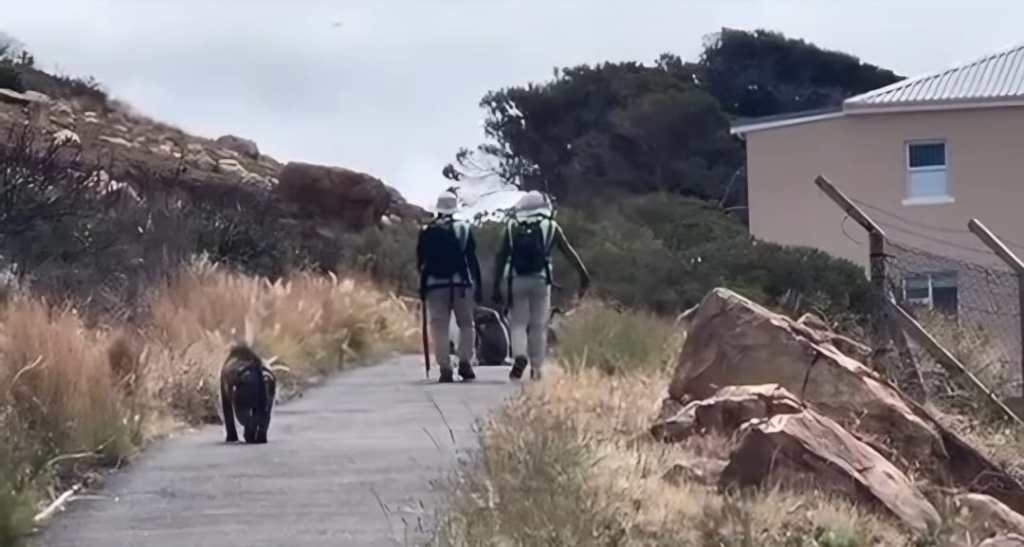
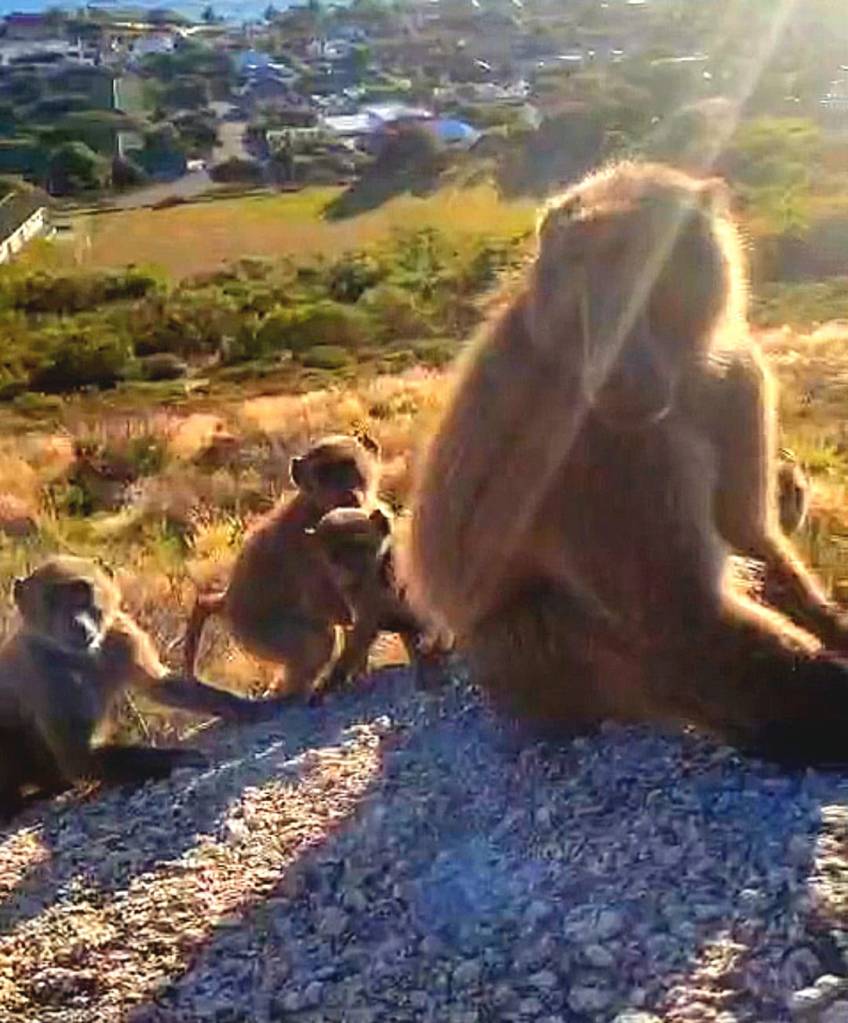
This is how coexistence looks when respect leads the way
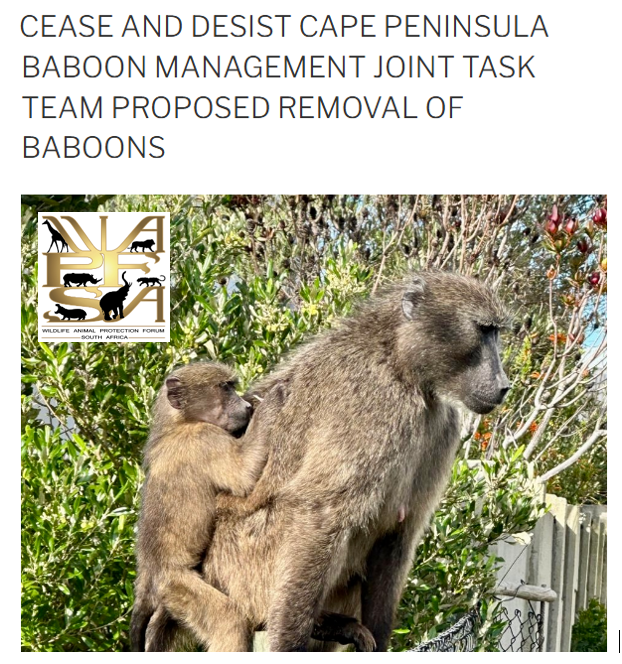
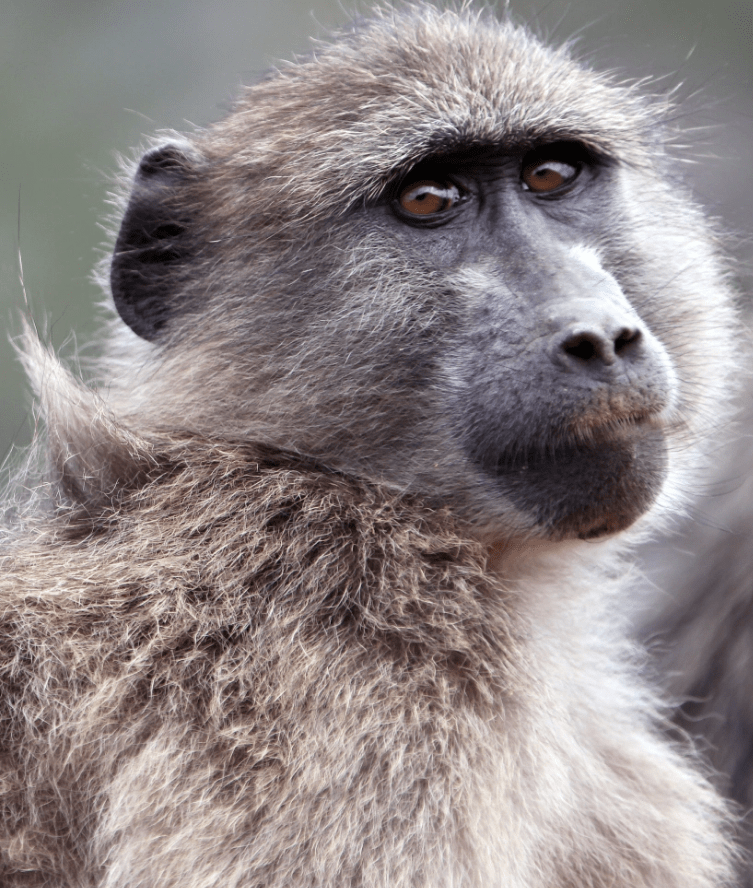
In this video, you’ll hear the voice of a father and his young daughter quietly approaching a wild troop of baboons while walking on the Mountain over Simon’s Town, South Africa. The father speaks softly, moves calmly, and in return, the baboons, including Martello, the alpha male surrounded by three babies, remain completely at ease. Martello demonstrates the role of a good alpha male: holding his troop together, protecting them, and keeping order without aggression. Removing such a leader shatters this balance, causing fear, scattering, and chaos within the troop. These are wild animals, not nuisances. They deserve our respect, understanding, and the chance to live as families in their natural habitat.
Let’s replace ignorance and fear with knowledge and coexistence.
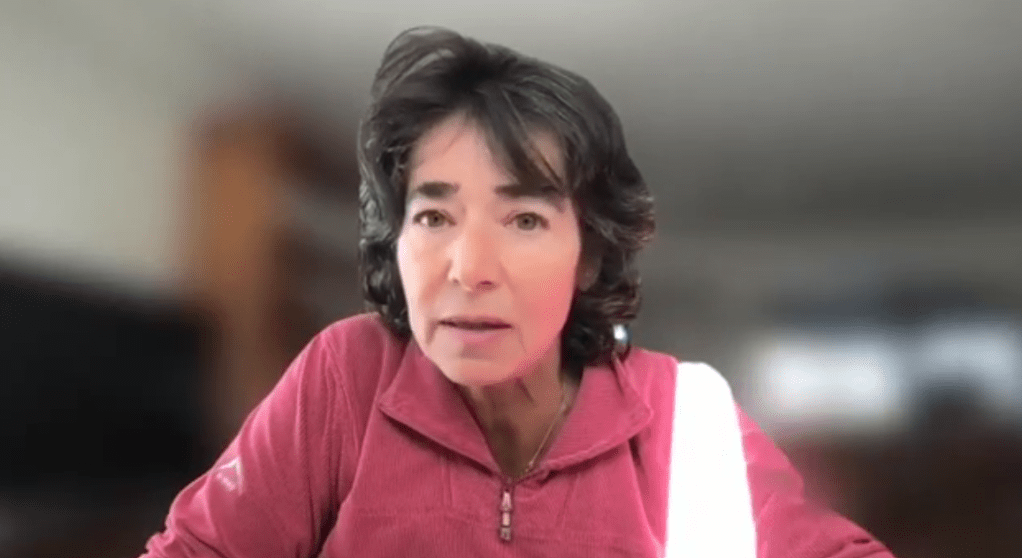
Elisa Galgut is an Associate Professor in the Department of Philosophy at the University of Cape Town, where she also lectures in philosophy. She is a member of the UCT Bioethics Centre. Her research interests include animal ethics, among other areas. She has served on several animal ethics committees at UCT and was, for a time, Chair of the university’s Animal Ethics Committee, during which she played a key role in drafting the institution’s policy on the ethical treatment of non-human primates.
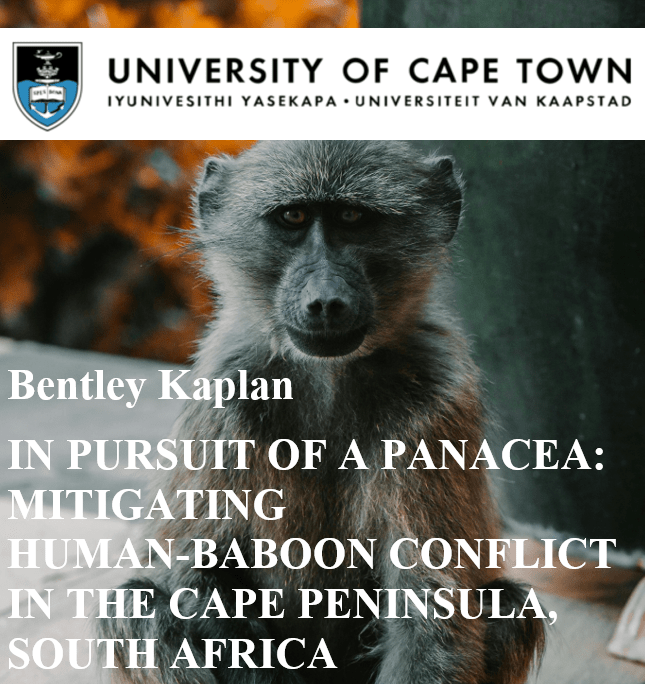
Dr Bentley Kaplan specialised in human-wildlife conflict as a PhD researcher in the Department of Zoology at the University of Cape Town under Professor Justin O’Riain. His focus was on the Cape Peninsula Chacma baboon. His multi-disciplinary research integrates behavioural ecology, cognition, and learning theory with practical conflict mitigation strategies. Kaplan’s work combines extensive literature review, field-based behavioural observation, and data analysis to explore innovative, evidence-based approaches for “harmonious cohabitation” with wildlife.
The top findings of his research (2009 to 2013) are:
- Waste management and enforcement of bylaws are top priorities in conflict mitigation.
- Solutions for “harmonious cohabitation” primarily lie in education.
- City of Cape Town’s baboon-proof bins were effective, if used properly to restrict baboon access to waste.
- The Namibian method (tailored provisioning) showed how to successfully lead troops away from populated areas near Simon’s Town. Provisioning is indeed an effective short-term solution suitable for emergencies, to keep baboons out of urban areas. Provisioning only worked when large waste areas were closed down, highlighting the role of waste access in troop behaviour.
- The consistent use of rangers is a very expensive strategy and shows variable success.
- The use of rangers and deterrents significantly affects natural baboon behaviour.
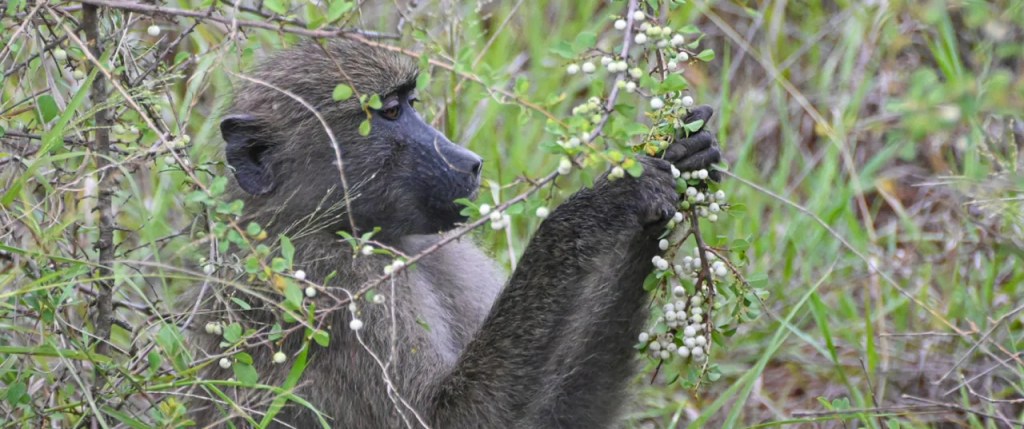
- Baboons do not like humans or urban spaces; they are purely motivated by food.
- Urban landscapes should be modified with wildlife in mind, with effective bylaws to prevent people from attracting baboons.
- It is essential to integrate research disciplines such as sociology, psychology, social anthropology, behavioural economics, and policy.
- Most affected residents do not support lethal control methods. Despite localised intolerance, findings indicated a high level of tolerance for baboons among residents
THESE FINDINGS WERE NEVER IMPLEMENTED BY MANAGEMENT AUTHORITIES. WHY?
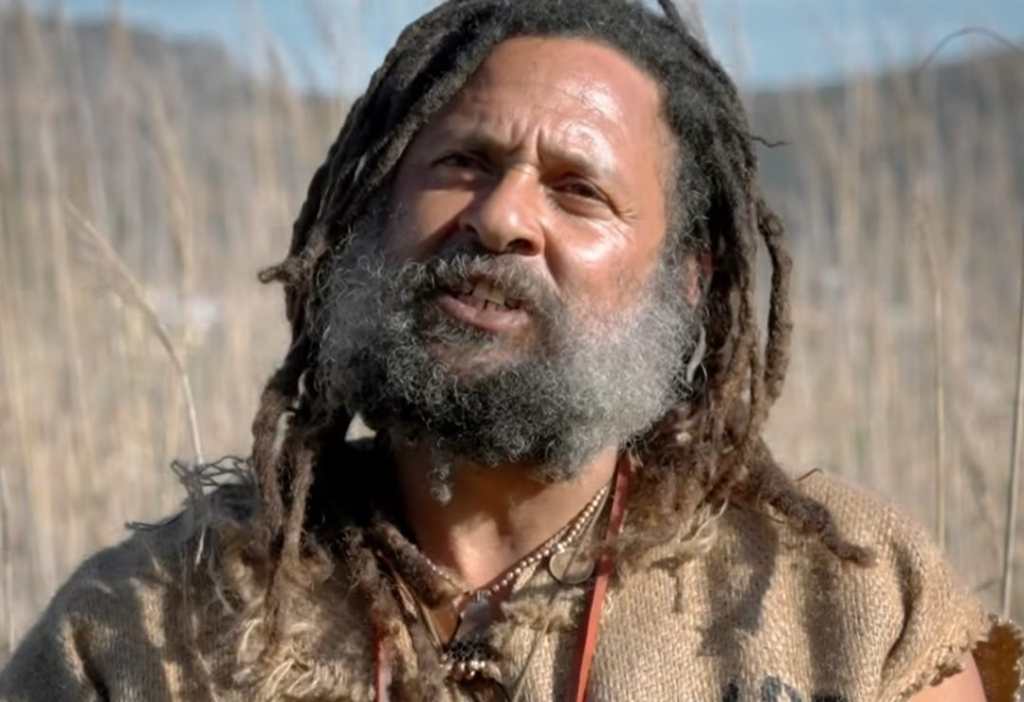
Chief Kingsley of the Gorachouqua Tribe is a respected Elder and traditional Leader based in the Kalk Bay area. As a direct descendant of the Gorachouqua People, he is a custodian of their ancestral wisdom, carrying profound knowledge of the sacred landscapes of Muizenberg and the greater Cape Peninsula. His expertise in Indigenous plant medicines, oral history, and ecological knowledge reflects a deep cultural continuity and spiritual connection to the land, spanning generations. Chief Kingsley plays a vital role in preserving the healing traditions and ecological heritage of his People.
He reminds us that the baboons are the last of the large roaming mammals on the Peninsula, and have a critical ecological and spiritual role. If you take the baboons, you take the spirit of the Mountain. What was done to the Bushmen is being repeated now. What is happening today is not only an environmental injustice, but a continuation of historical violence.
Credit: Omni Wellness Media
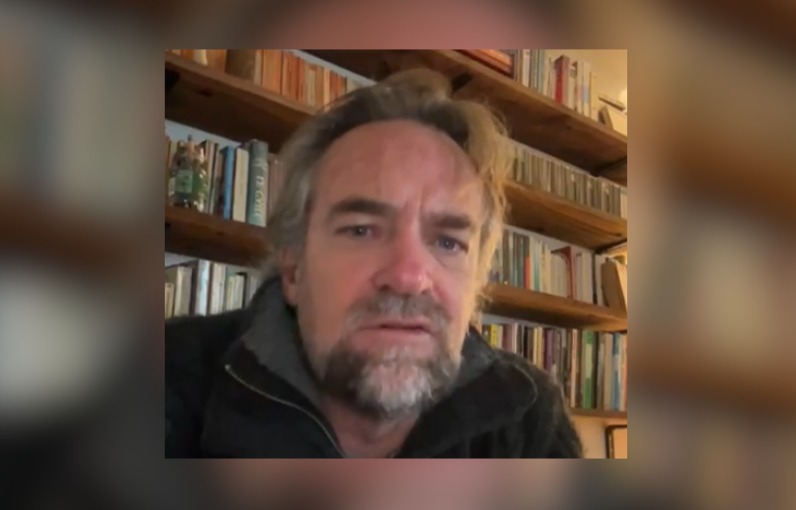
Dr Adam Cruise has a PhD in Environmental Ethics. He has been a wildlife journalist for twenty years. Decades of reporting on global wildlife issues such as poaching, trade and trophy hunting led him to delve deeper into the mechanisms fuelling such issues. Cruise, together with various individuals and teams of experts, have uncovered and reported on topics from trophy hunting and poaching to the trade in endangered species from elephants to coral reef fishes. Cruise has a PhD in Philosophy specialising in environmental ethics and has contributed to a number of international publications and documentaries. Dr Cruise is at present the EMS Foundation Wildlife Policy coordinator.
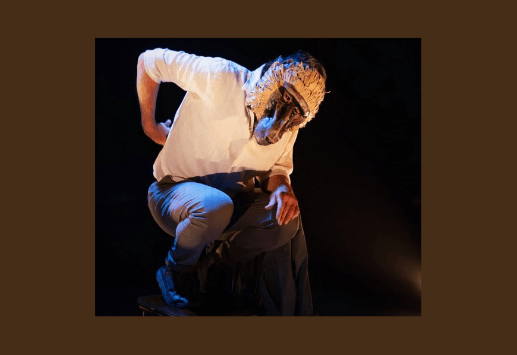
Andrew Buckland is a celebrated South African playwright, performer, mime artist, film director, and academic, widely recognised for his innovative contributions to physical theatre. In “Unruly”, Buckland took centre stage in a compelling solo performance that explored the intricate and often fraught relationships between humans and urban baboons on the Cape Peninsula. Drawing on extensive research, including interviews and a survey of over 500 local residents, the play offered a powerful and nuanced portrayal of co-existence, conflict, and compassion. While the narrative is fictional, Buckland’s performance brought to life the real tensions and diverse perspectives of communities living alongside these intelligent and controversial animals.
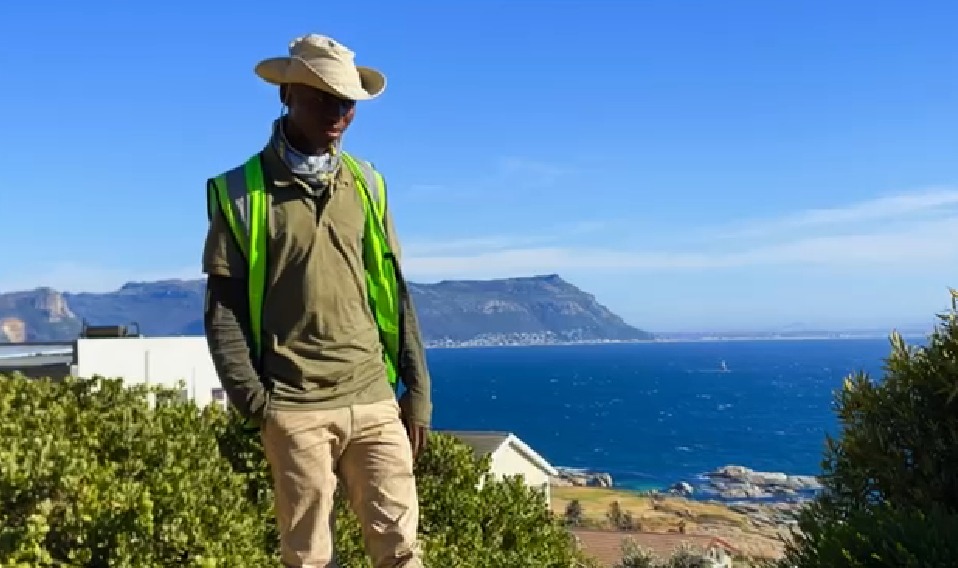
Luana Pasanisi is the Executive Director of Green Group Simonstown and lead for the Baboon Monitoring and Civil Coexistence Pilot Project that took place from October 2023 to February 2025. Under her leadership, the Simonsberg/Seaforth baboon troop successfully moved out of Simonstown and South into surrounding natural mountain and coastal areas, without force, by prioritising human compliance, care, and coexistence.
Luana played a key role in transforming local waste management systems, reducing attractants, and improving environmental conditions.

 Green Group Simonstown